
ABOUT SHODOSHIMA / INDUSTRY
What kind of island is Shodoshima?
Local Industries
Discover Shodoshima's major local industries.

-
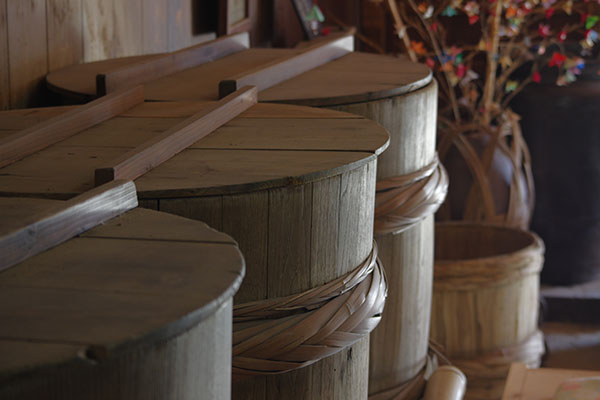
Soy sauce
Salt had been produced on Shodoshima since ancient times, but by the late Edo period overproduction had led to its gradual decline. Captains who transported salt to Osaka and elsewhere learned soy sauce brewing techniques, helping establish soy sauce as an alternative industry. The island's mild climate suited yeast cultivation, local salt was plentiful, and the established shipping trade made it easy to bring in soybeans and wheat. These conditions supported the birth of its soy sauce industry. With limited farmland unable to support livelihoods through agriculture alone, and a thriving maritime trade, soy sauce production developed across the island.
-
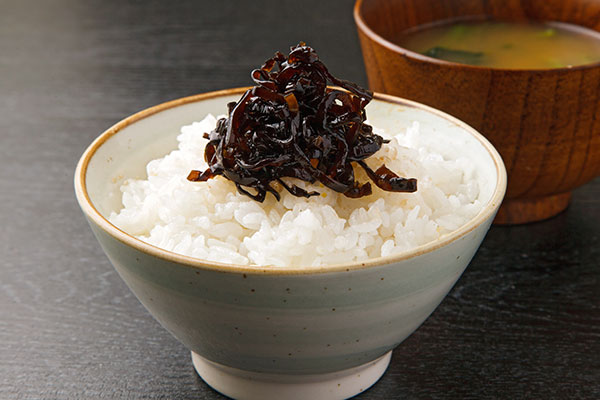
Tsukudani
Tsukudani, foods simmered in soy sauce, became a major Shodoshima industry after the war. During the Pacific War, severe shortages of raw materials threatened the traditional soy sauce industry. Seeking to develop the local economy beyond soy sauce alone, brewers began producing tsukudani on September 26, 1945. Their first ingredient was sweet potato leaf stalks, a major local crop at the time, and they employed just five people. From 1946, kelp, nori and other ingredients became available and the number of producers grew. Made with high-quality soy sauce, Shodoshima tsukudani gained a strong reputation.
-
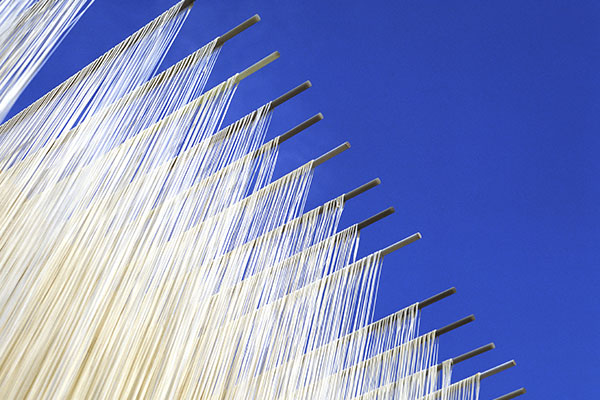
Hand-stretched
somen noodlesShodoshima's hand-stretched somen tradition is said to date to 1598, when a resident of Ikeda village stopped in Miwa, Yamato Province, on a pilgrimage to Ise and brought noodle-making techniques home. The island had high-quality wheat and salt, spring water including the famous Yufune water, and locally grown sesame. Clear winter air, cold Seto Inland Sea winds and little rain provided ideal conditions for sun-drying. These favorable conditions helped noodle making spread throughout the island. A distinctive feature of Shodoshima somen is the use of pure sesame oil during the stage when strands are coiled, an unusual practice among somen-producing regions.
-
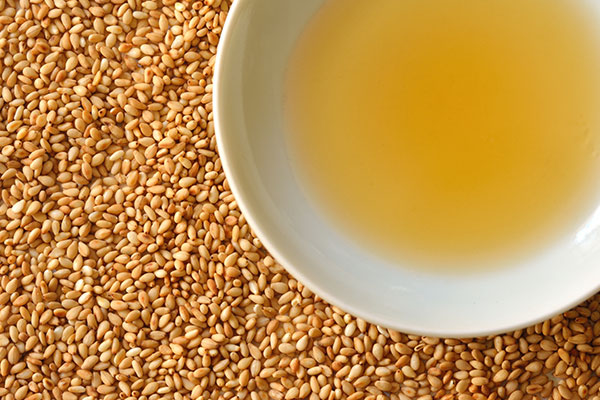
Sesame oil
Sesame oil production on Shodoshima began in 1858, linked to its use in the island's specialty somen noodles. Long valued as a food associated with longevity, sesame is nutritionally rich: over 50% fat, around 20% protein, and a variety of other nutrients.
-
Stone
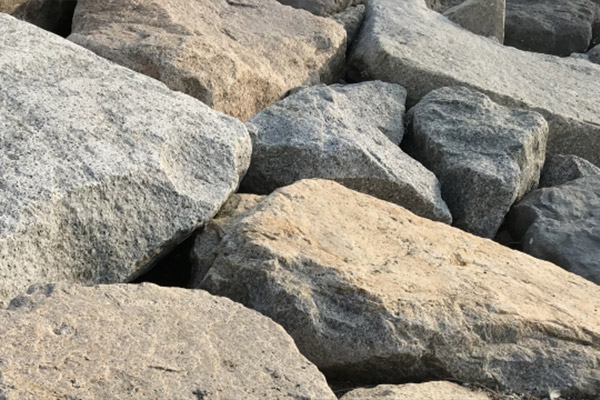
Stone quarrying has a long history here. Teshima, west of Shodoshima, produces a volcanic breccia tuff known as Teshima stone, well suited to carving. This dark, soft stone is easy to work and resistant to heat, although vulnerable to water. It has been quarried and worked since the Kamakura period. From the early modern period onward, high-quality granite from Shodoshima's northern coast became the main product. When construction of Osaka Castle began in 1583, senior retainers of Toyotomi Hideyoshi were stationed at several sites on the island as quarrying officials. Work huts were built at the quarries, and stone was reportedly loaded onto boats and rafts for transport to Osaka. Large quantities were also quarried during the Tokugawa period for work on Osaka and Edo castles. The Osaka Castle projects rapidly advanced Shodoshima's stoneworking skills.
-
Olives
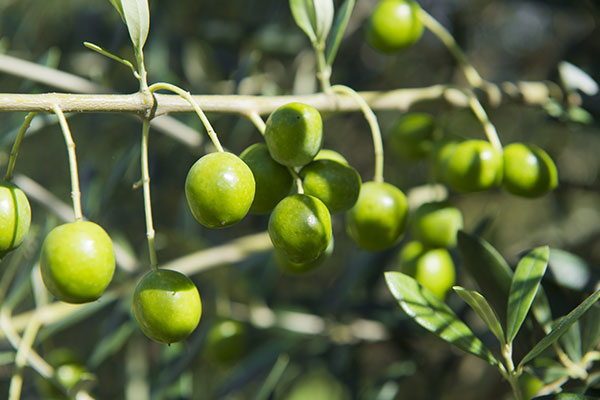
Olives were first introduced to Kagawa in 1908, when the Ministry of Agriculture and Commerce asked Kagawa, Mie and Kagoshima prefectures to conduct trial cultivation. The aim was to produce olive oil domestically for preserving sardines, tuna and other fish. In Kagawa, an experimental plot was established at Nishimura on Shodoshima, where 519 saplings were planted on 119 ares (1.19 hectares). Of the three prefectures, only Shodoshima succeeded. It harvested 7 kg of fruit in 1910, with oil extraction beginning around the following year. Supplying the Imperial Household and winning awards at industrial exhibitions helped raise the olive's profile. Small white flowers bloom in early summer, and green fruit develops in the summer sun. Green olive harvesting starts in late September. From late October into November, the fruit turns reddish purple, then purple and dark purple, signaling the start of harvesting for oil. Harvested olives are made into freshly cured table olives, extra virgin olive oil, cosmetic olive oil, hand creams and other products.
This description has been carried over from the previous website. Figures with a reference year, including population, relate to that year.